Confirm

What Exhibition Stand Builders Get Wrong About LED Walls

22.08.2026

Most exhibition stand LED walls are specified from a data sheet built for a completely different use case. A stand builder compares pixel pitch and brightness numbers the same way they would for a fixed corporate installation, then discovers on load-in day that the panel they bought is heavy, slow to rig, and washes out the moment a visitor walks past it at an angle rather than straight on.

The mistake is not choosing a bad display, it is applying fixed-install logic to a three-day build and teardown cycle that has almost nothing in common with a permanent lobby or control room deployment. This article looks at where that gap actually shows up, from cabinet weight to viewing angle, and what stand builders should be checking before the panel is ever ordered, not after it arrives at the venue.
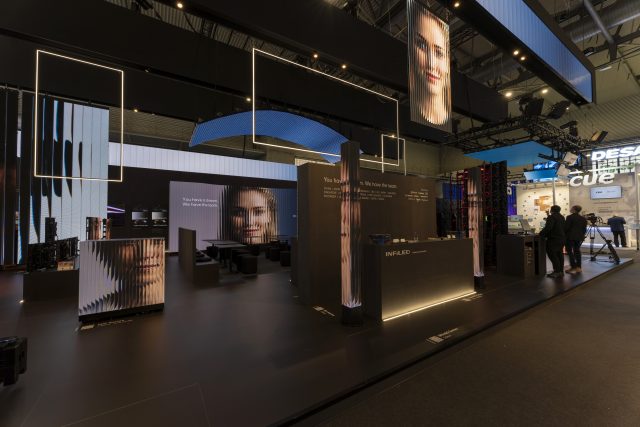
Infiled

What a Spec Sheet Actually Tells You

Pixel pitch and brightness are the two numbers every exhibition stand LED conversation starts with, and they are not wrong to look at, just incomplete.

Pixel pitch sets the minimum distance at which an image resolves cleanly, which matters on a show floor where attendees can be standing close enough to read booth copy.

Brightness needs to be high enough to compete with hall lighting and neighboring booths without becoming uncomfortable at close range, a very different requirement from an outdoor billboard.

Refresh rate affects how the screen looks on camera, relevant for any stand that expects to be filmed or livestreamed during the show.

Color calibration is worth checking too, since a wall assembled from panels that have sat in a warehouse for a year can drift slightly out of match with newer stock.

None of these numbers say anything about how the panel behaves during a three-day build, a chaotic teardown, or repeated loading into a truck between shows, which is exactly the part of the lifecycle where most exhibition LED problems actually originate.

Infiled

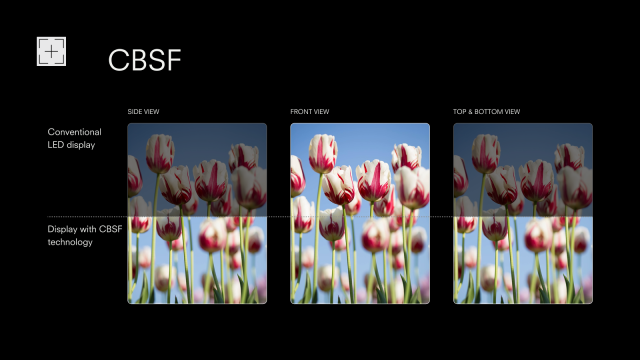
With up to 7,680 Hz refresh,  INFiLED’s DBmk2 Series features CBSF technology for wide-angle viewing and color stability, ensure the screen looks great on camera.

Where Stands Actually Lose Time and Money

Stand builders operate on a schedule that a fixed-install crew never has to think about. A corporate lobby installation gets days or weeks; a trade show booth typically gets a matter of hours before doors open, then the same again in reverse once the show closes.

Cabinet weight compounds directly into labor cost and schedule risk in that window, heavier panels mean more rigging time, more people, and a bigger margin for something to go wrong under time pressure.

Lock mechanisms matter for the same reason. A slow or fiddly cabinet lock adds minutes per panel that become hours across a full wall, and on a show floor, as most exhibit installation and dismantle guidance points out, those hours are rented, not free.

Viewing angle is the mistake that shows up after the wall is already built. Booths sit in crowded aisles where almost nobody views the display straight on, most attendees walk past at an angle or glance over from a neighboring stand.

A panel that shifts color or loses brightness off-axis can look correct in a showroom demo and disappointing on the actual floor. This is what CBSF technology in the RS Series is built to address, holding color and brightness consistent across a wide viewing cone rather than only at dead center.

Infiled

INFiLED’s proprietary LED technology-CBSF (Color Brightness Shift Free).

What This Means for Booth Design and Build Planning

For stand builders, the practical fix is to specify against the actual event lifecycle rather than a generic spec sheet.

That means treating cabinet weight and purpose-built rental and trade show panels as load-bearing decisions, not afterthoughts, since a lighter cabinet with a fast lock mechanism can be the difference between a booth that opens on time and one still being rigged as doors open. It also means asking a supplier directly about setup and teardown time under realistic crew conditions, not the fastest demo scenario, before locking in a display for a season with back-to-back shows.

INFiLED builds its rental range around this cycle specifically, on the assumption that a panel spends more of its working life in a truck and on a dolly than it does sitting still on a show floor.

Durability against repeated handling deserves the same scrutiny as image quality. A panel built for a single fixed install rarely survives a season of loading, transport and reassembly the way rental-grade hardware does, and the cost of that mismatch tends to show up as damaged modules and unplanned downtime rather than as a line item anyone budgeted for in advance.

Booth design teams that budget for this upfront, rather than discovering it after the second or third show of a season, generally end up spending less over a year than the ones chasing the lowest per-panel quote each time.

Infiled

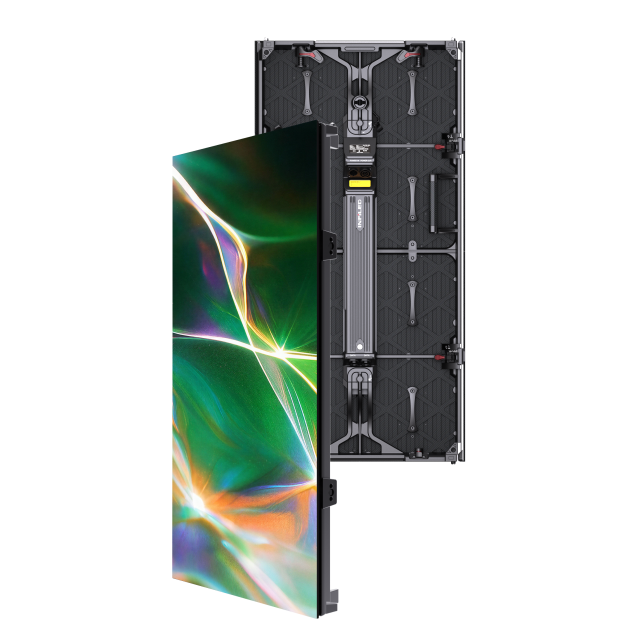
RS Series is an indoor/outdoor platform built for rental environments such as trade shows where fast deployment is critical. 25–35% lighter than comparable rental cabinets.

A Short Checklist Before Ordering

Before specifying an exhibition stand LED wall, it is worth working through what actually matters beyond price on a rental panel, because the cheapest quote and the lowest total cost across a show season are rarely the same number.

  • Cabinet weight and lock mechanism, since these set labor time and crew size for every load-in
  • Off-angle color and brightness consistency, since most booth traffic never views the wall straight on
  • Verified setup and teardown time from a supplier reference, not a marketing claim
  • Repair and spare-parts turnaround, since a damaged module during a show week needs a fast fix, not a factory return

None of these show up on a standard spec sheet, which is exactly why they get missed until the first show goes wrong.

Infiled

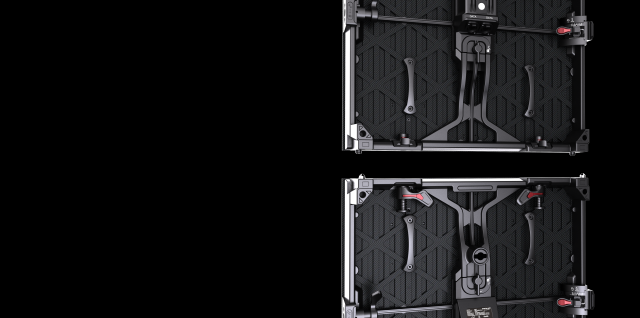
The RS Series features a patented quick-lock system. The precision positioning columns, and arc locks ensure accurate cabinet alignment.

Planning for Load-In Day, Not Just the Spec Sheet

Exhibition stands live and die on load-in day, not on a spec sheet comparison made months earlier.

The stand builders who avoid the worst LED surprises are the ones who ask about cabinet weight, lock speed, off-angle performance and repair turnaround as early as they ask about pixel pitch. None of that is exotic engineering, it is simply matching the display to a build and teardown cycle that looks nothing like a fixed installation.

INFiLED’s approach to rental-grade hardware, built around lighter cabinets and wide-angle color consistency, exists specifically because that gap between spec sheet and show floor is where most exhibition LED budgets actually get spent. Buyers who plan for the three-day cycle instead of the twelve-month one tend to avoid it.

User registration
Join us to download our content. It only takes a moment!

    I have read and accept the privacy policy

    This site is protected by reCAPTCHA and Google.

    It looks like you are visiting the website from
    Select your region: