Overview
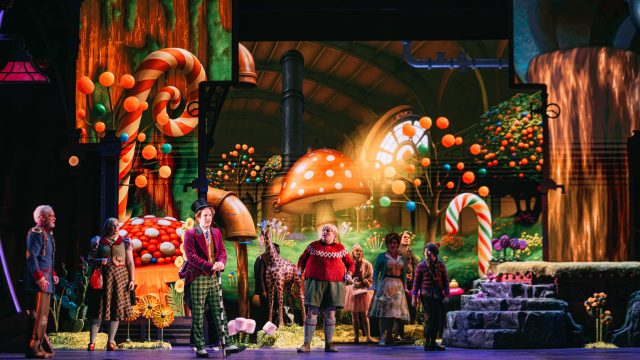
With plans to give Roald Dahl’s Charlie and the Chocolate Factory a global glow up, Director Matt Lenz had a fantastical vision.
“It’s a rare gift to be able to return to a beloved and familiar project like Charlie and the Chocolate Factory, and have the opportunity to re-imagine it. I wanted this production to be even more magical and more visually engaging than ever before. I wanted surprises at every turn, truly taking the audience on a journey of imagination.”
The Broadway International Group production of the musical faced a common theatrical challenge. How could it preserve the visual magic and storytelling precision of a Broadway favourite, while adapting to a constantly changing touring environment?
It needed a visual system that could travel internationally, integrate seamlessly into venues of varying sizes, and still deliver a consistent and immersive audience experience. And the answer to that call was an LED solution capable of cinematic storytelling, delicate theatrical nuance, and reliable performance on the road; one that would invite audiences, quite literally, into Wonka’s world of “pure imagination.”
Working alongside:
- System lead integrator, Stage Sound Service
- Renowned Video System designer Mogzi
- Highly accomplished Video and Projections Designer Jeff Sugg
- Award-winning Tour Director Matt Lenz and,
- Broadway Asia’s Production Stage Manager and Resident Director extraordinaire, Drew Cipollone
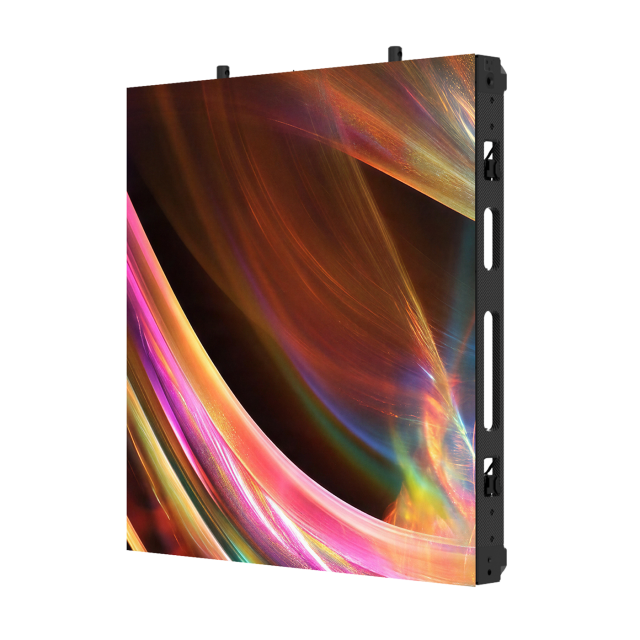
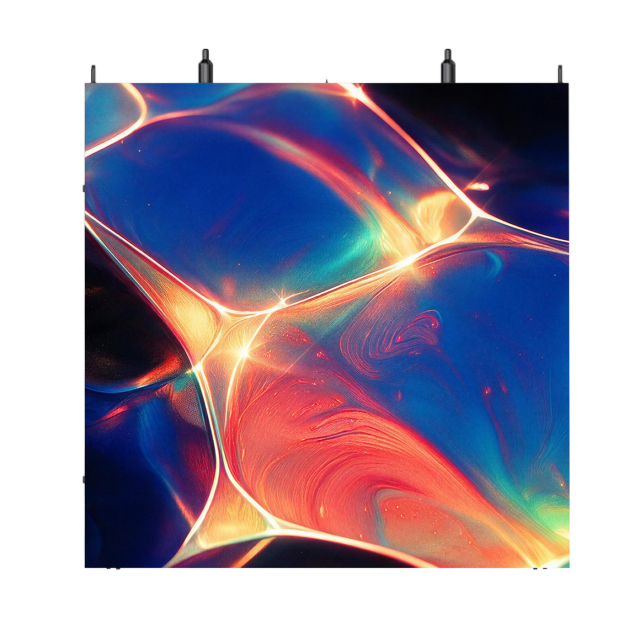
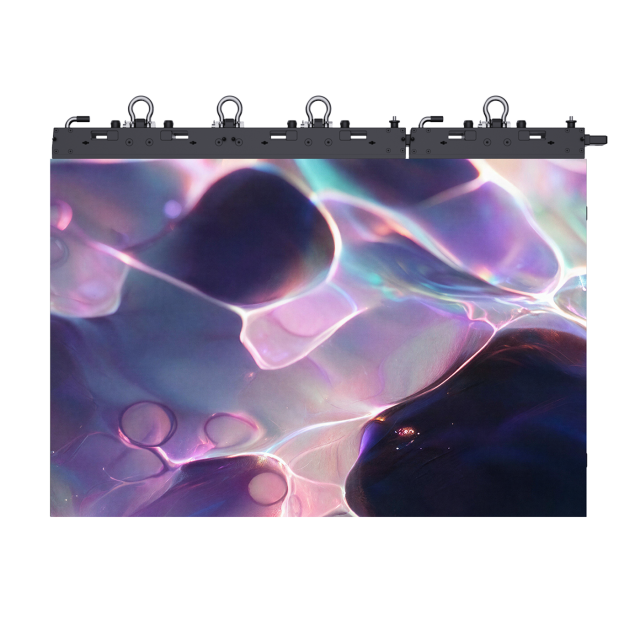
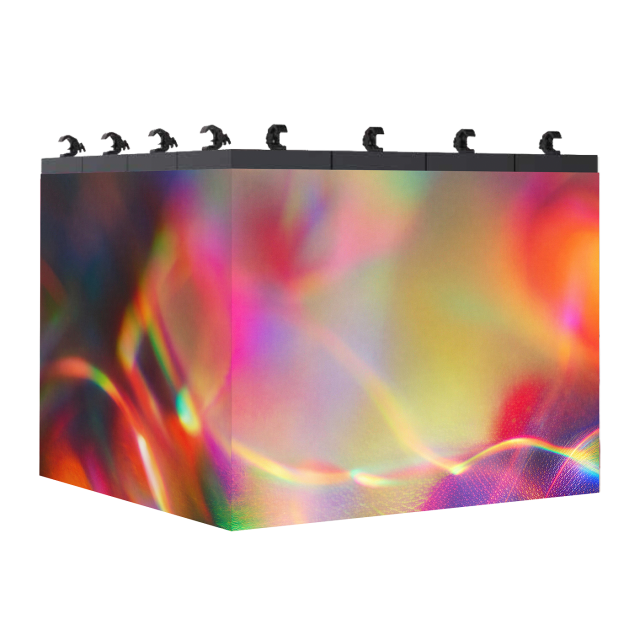
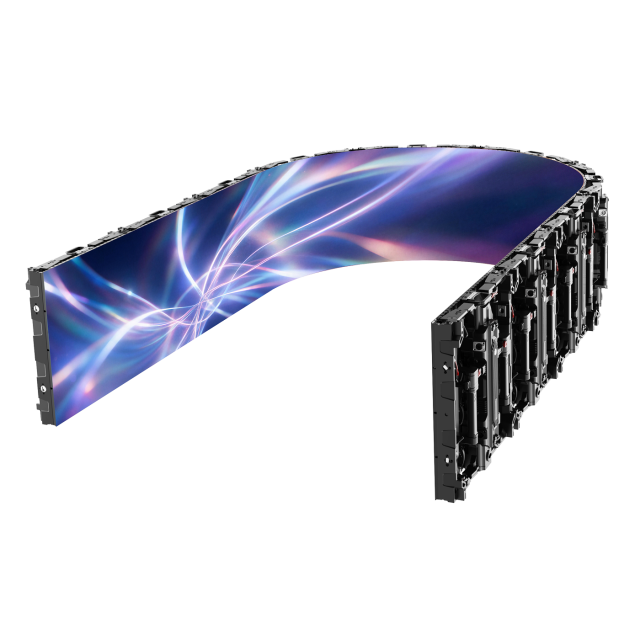
INFiLED’s AR Series (now upgraded to the ARmk2 Series) brought Wonka’s fantastical world to life for audiences across the globe.
Partnership
The global scale of this production required a team of creative visionaries and technical partners who not only shared the same vision, but also had the right synergy. That came in the form of INFiLED and Stage Sound Service, a trusted rental company and system integrator that supplies our products to touring productions worldwide.
With Stage Sound Service as the technical backbone of the project, Mogzi, an experienced video system designer, played a key role in aligning the technical setup with the creative intent of the show.
On the creative side, Jeff Sugg, Video and Projections Designer, has been involved with Charlie and the Chocolate Factory since its Broadway debut in 2016. He closely collaborated with Tour Director Matt Lenz and the wider design team to reimagine the production’s visual language for an international audience.
Close oversight from Drew Cipollone, Broadway Asia’s Production Stage Manager and Resident Director, ensured that creative ambition and touring practicality aligned, resulting in a delectable Wonka stage spectacle for audiences worldwide.
Challenges
Touring with a theatre production presents a unique set of creative and technical challenges. Creatively, Director Matt Lenz was very cognisant of striking a balance between honouring what audiences love about the show and bringing his own interpretation to it.
“For a title like Charlie and the Chocolate Factory, the audience will come in with certain expectations and I do believe that it is important to fulfill those to a degree. (I want to) try to capture the essence or spirit of the thing that they fell in love with enough to come to the theatre,” he says. “In a highly visual and fast moving show like this, it is easy to lose the human, emotional values, so I work very hard to ensure that that heart stays beating amidst all the other elements.”
On the technical side, one of the biggest challenges of taking Charlie to the world stage was adapting to varying venue dimensions, sightlines and technical constraints, while still delivering a consistent and immersive experience at every performance.
“The tour is designed as a fully self-contained theatrical world. It had to be capable of landing in vastly different venues without losing its magic or cohesion,” explains Drew Cipollone, Broadway Asia Production Stage Manager and Resident Director.
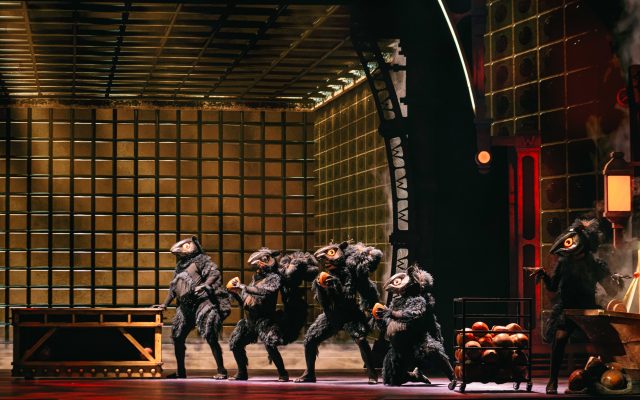
The global tour marked a significant creative evolution for a production that had already undergone multiple iterations. On Broadway, the video elements of the show largely relied on projection mapped onto scenic elements within what Video and Projections Designer Jeff Sugg describes as a “magical box.”
“The projection was used to differentiate the various rooms of the chocolate factory with lots of shadow work and delicate accentuations of the scenic piece,” Jeff explains.
As the production moved into subsequent touring versions, LED began to replace those scenic containers, but technical limitations shaped the visual language.
“The aesthetic was bound by the fact that the walls were 9mm pitch. As a result, it was imperative that the content didn’t lean on gradients or soft edges within the fades and design structure,” says Jeff.
While effective at the time, those constraints stymied the ability to create subtle fades, delicate textures, and painterly transitions – elements increasingly important to the show’s storytelling.
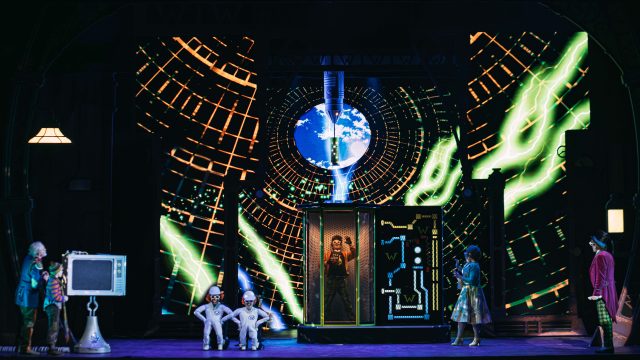
For the global tour, the creative team decided to start from scratch. Their aim was to develop a richer and more cinematic visual language, one capable of supporting both large-scale spectacle and intimate moments involved in the world of Charlie and Willy Wonka. That ambition brought heightened technical demands.
“As a video designer, my primary concerns with LED wall products are bit depth for colour rendering, viewing angle, weight, fades and gradients, and adaptable installation,” Jeff says. “The panels also had to be non-reflective to accentuate black levels and ‘disappear’ on a dark stage. All in all, it was vital to get higher resolution LED panels and high quality processing to make this happen.”
Alongside these creative requirements, the LED system also had to withstand the realities of international touring – frequent transportation, rapid installation, long operating hours and constant venue variation.
To address these challenges, the creative and technical teams had to rethink how LED technology would function within the production; not merely as a static backdrop, but as an active storytelling element.