Confirm

Control Rooms at Shenzhen Air Traffic Management Station

Control Room WT Series Indoor

Overview


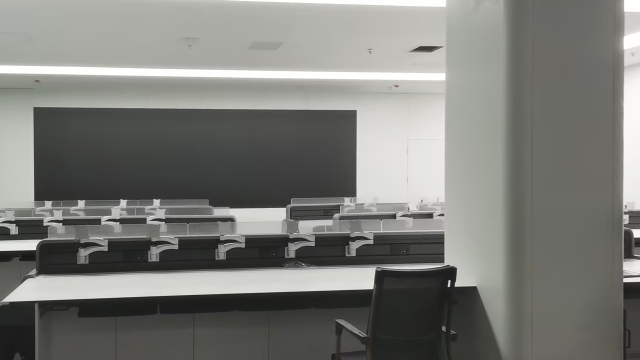
At Shenzhen Air Traffic Management Station, a new fine-pitch LED display now spans the front of the control center, creating a wide, continuous viewing surface for an information-intensive working environment.

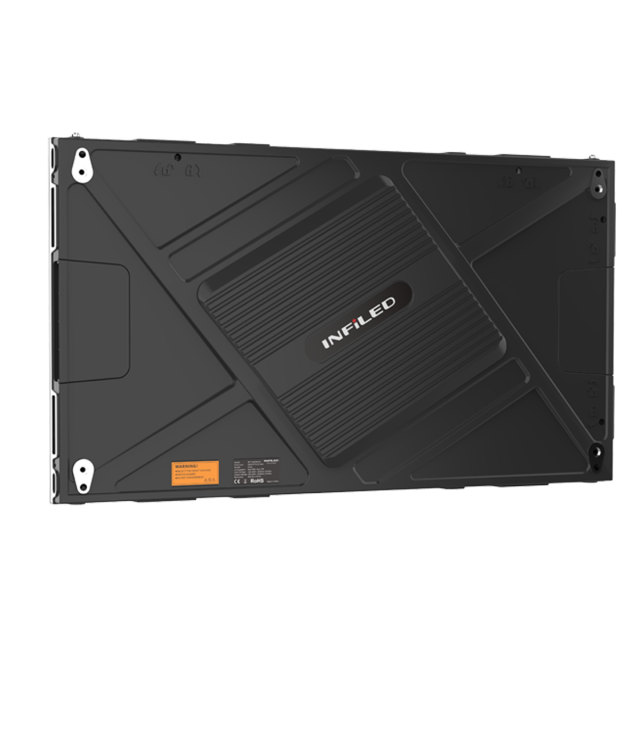
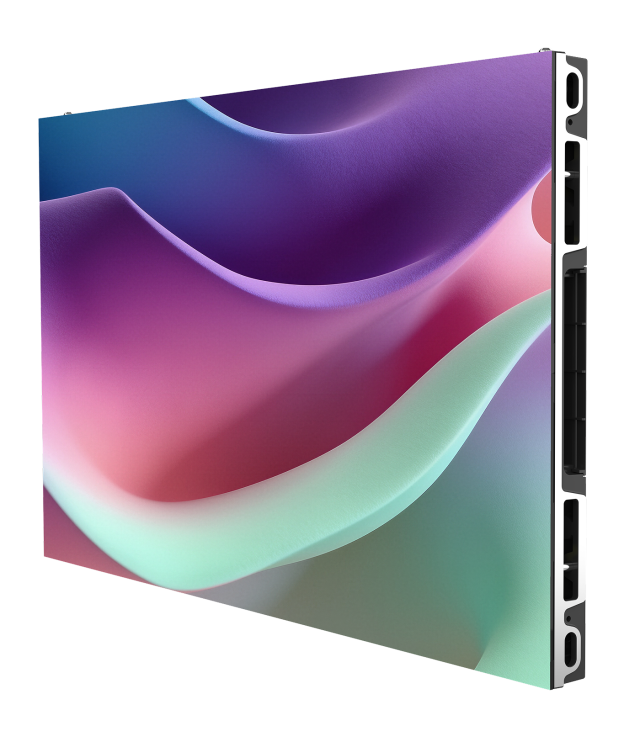
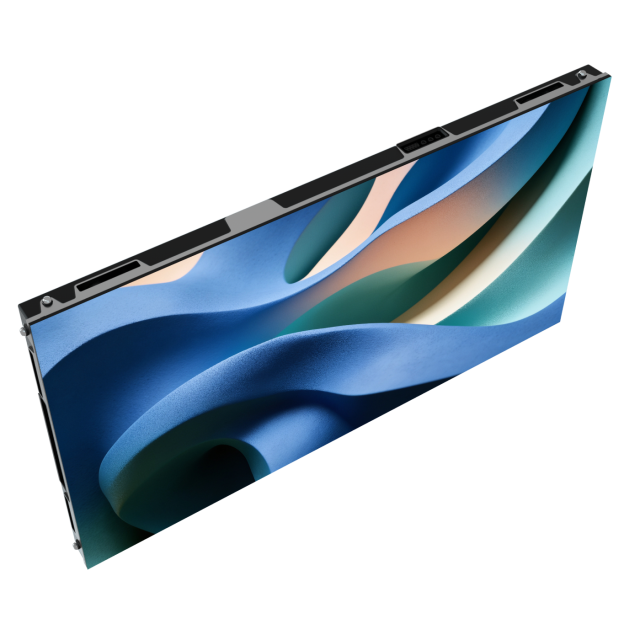
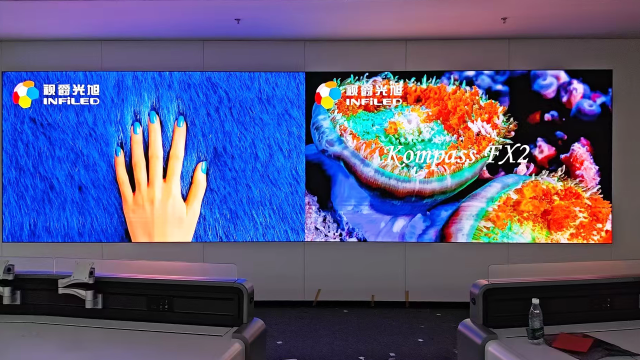
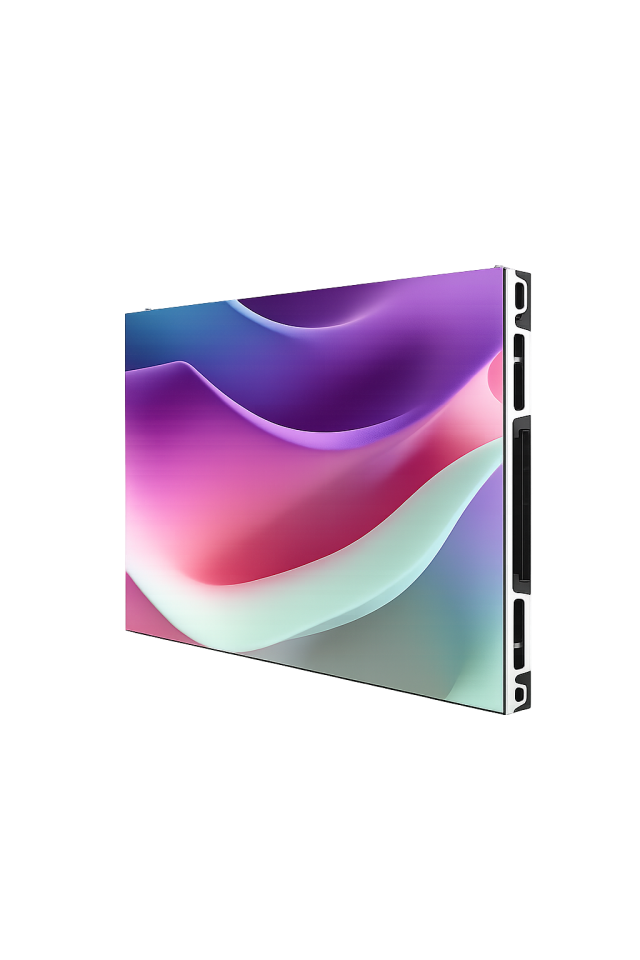
Completed in June 2026, the installation features a 7.2 × 2.025 m INFiLED WT Series display with 0.93mm pixel pitch and flip-chip COB technology, delivering 8K-class resolution. The configuration was selected around the way the room is used, balancing shared visibility across the space with close-range detail and the practical demands of long-hour operation.
A Wider View for Continuous Information

Air traffic management brings together operational information that changes throughout the day, often spanning flight, surveillance and weather data. In control rooms of this kind, the main display needs to present the wider operational picture clearly while retaining the detail required at closer viewing distances.

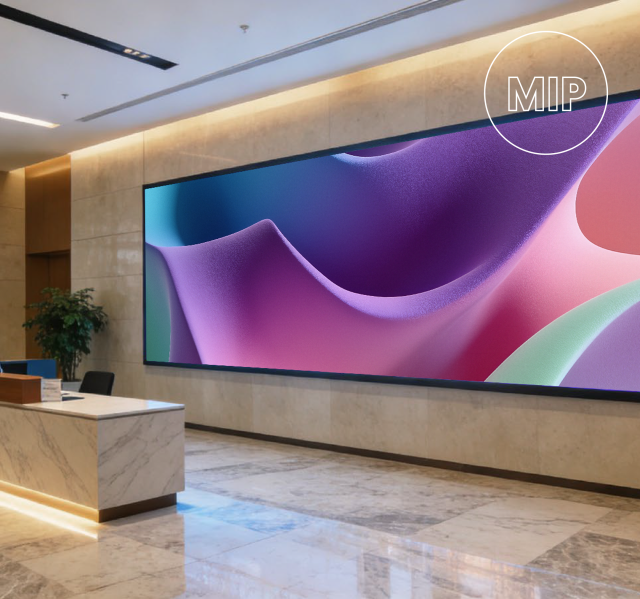
The Shenzhen installation extends 7.2 metres across the front wall, following the horizontal layout of the control center. Its continuous LED surface keeps content within one uninterrupted image area, allowing the front of the room to serve as a shared visual reference.

A 160° horizontal and vertical viewing angle supports visibility across a broad range of positions. This is particularly relevant in a control environment where the screen is viewed from different points in the room rather than from a single fixed seat.

The display therefore follows the room’s sightlines and keeps operational information within one coherent field of view. Its value comes from using the available wall space effectively, with width and viewing coverage shaped around how the room actually works.

Fine-Pitch Detail Where It Matters

The wider viewing field also needs enough pixel density for detailed information viewed at close range.

With a 0.93 mm pixel pitch, the WT display is well suited to fine text, graphics and data-rich visual content. The selected configuration combines a 10,000:1 contrast ratio with 13-bit grayscale, supporting clear separation between light and dark image areas and smooth tonal transitions.

In this setting, those specifications serve a practical purpose. Fine-pitch density keeps detailed content legible at closer distances, while the image performance preserves visual structure when multiple types of information occupy the screen.

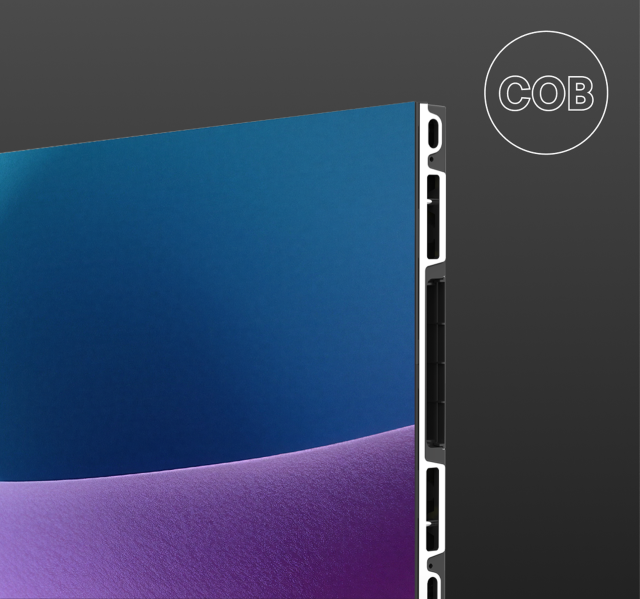
The display also uses flip-chip COB design, with the LEDs integrated into an encapsulated surface. This creates a smooth, uniform viewing surface while adding protection to the fine-pitch LED structure for long-term indoor installation.

The relationship between screen width and pixel density is central to the project. The display provides a broad shared view without losing the level of detail expected from a professional control-room screen.


Designed for Long-Hour Operation

A permanent control-room display is evaluated over much more than image quality. Thermal behaviour, surface durability and service access all affect how well the system fits into daily use.

For the Shenzhen installation, three aspects were particularly relevant:

  • Lower thermal load. ColdLED technology is designed to reduce heat generation and power consumption during operation, supporting a cooler display surface through extended working periods.
  • A protected fine-pitch surface. SolidSkin technology enhances resistance to impact and moisture, while the smooth encapsulated finish remains suited to routine cleaning.
  • Front-side maintenance. Service access remains on the viewing side of the display, matching the front-wall installation and keeping routine maintenance practical within the control-room layout.


These considerations matter in any display that remains active for long periods and occupies a permanent position within the workspace. Thermal performance affects the surrounding environment, surface protection supports everyday durability, and maintenance access influences how easily the installation can be serviced over time.

At Shenzhen Air Traffic Management Station, the final configuration brings these requirements together around the real conditions of the room – shared sightlines, detailed information viewed at close range and sustained daily operation.

The project also reflects how INFiLED approaches professional control-room environments. Sightlines, viewing distance and operating conditions come first; display format and technology are then matched to those requirements.

As control rooms work with increasingly dense and interconnected information, that discipline becomes more important. The Shenzhen installation shows how a fine-pitch LED wall can become a natural part of the working environment – clear across the room, detailed at close range and configured for the demands of everyday operation.


Request More Details

Inspired by this installation?
Get in touch to discuss how INFiLED can support your next project.

    I have read and accept the privacy policy

    This site is protected by reCAPTCHA and Google.

    User registration
    Join us to download our content. It only takes a moment!

      I have read and accept the privacy policy

      This site is protected by reCAPTCHA and Google.

      It looks like you are visiting the website from
      Select your region: