Overview
Sting is undoubtedly one of the greatest musicians of all time. So when he’s ready to tell a part of his life story through a musical, helping him bring this vision to life is an opportunity any company would relish.
That’s exactly what happened with The Last Ship Musical, when the INFiLED team and partners were tasked with bringing his deeply personal story to the stage on an architectural scale.
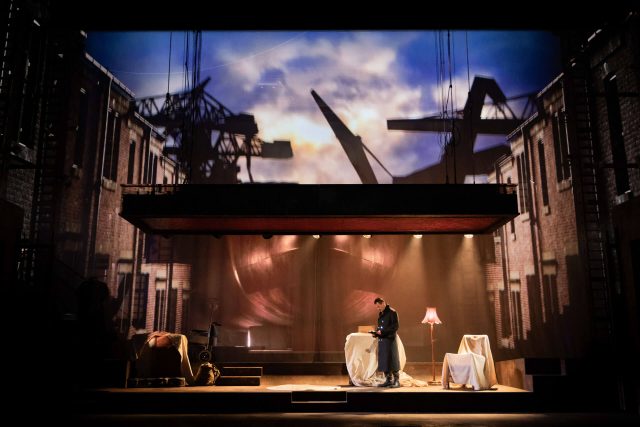
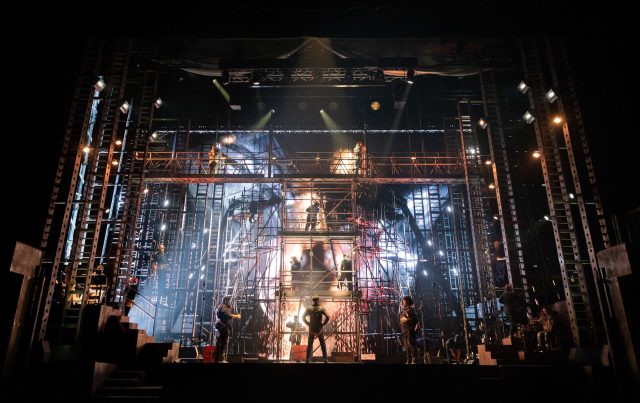
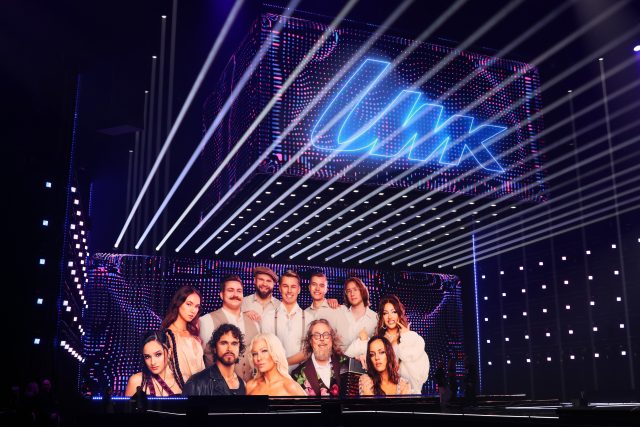
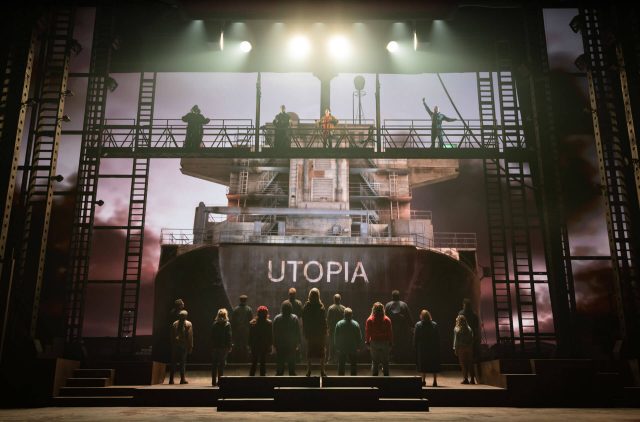
The Last Ship focuses on the shipbuilding town where Sting grew up, and the communities shaped by the yard. First staged in 2014, the renewed 2026 version toured Europe early this year, travelled to Australia in April and then moves to New York. Across this limited run, the acclaimed musical has been updated to take advantage of major advances in video display technology, particularly in bringing to life the vast ship that loomed over Sting’s childhood community.
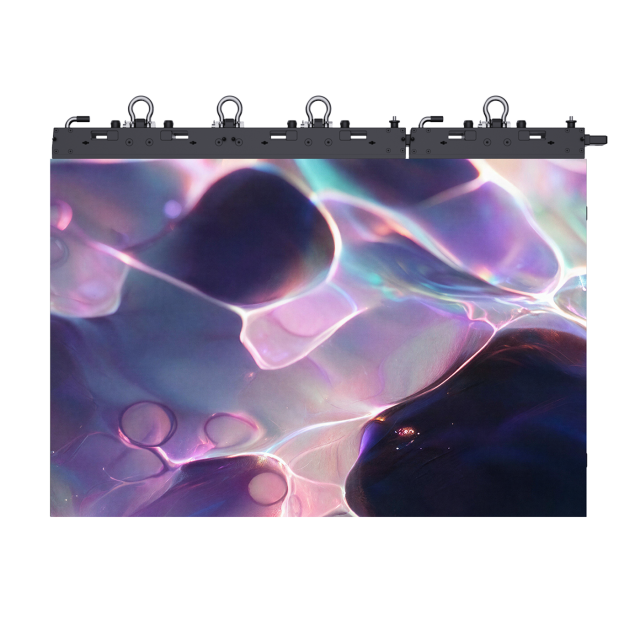
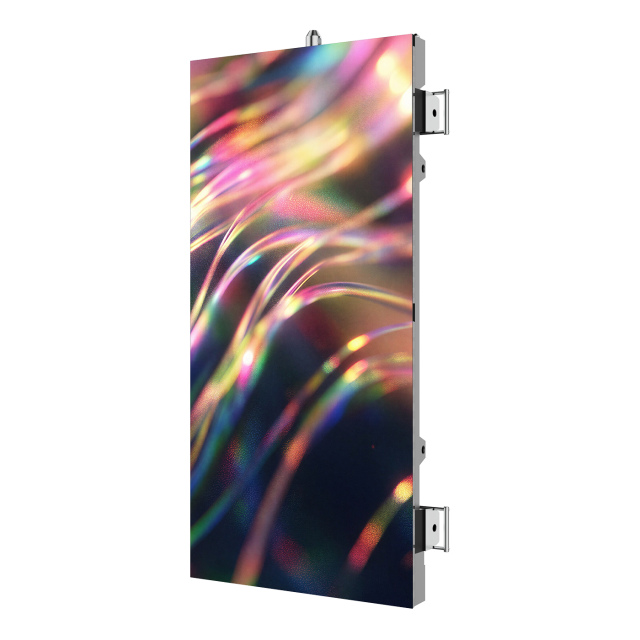
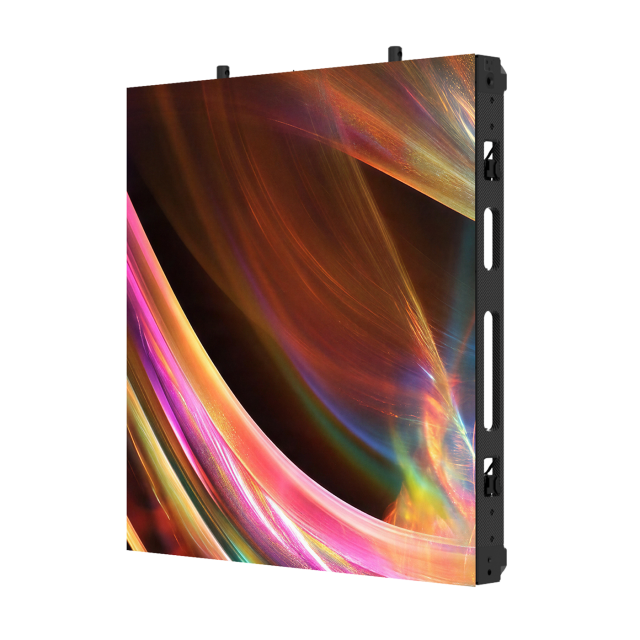
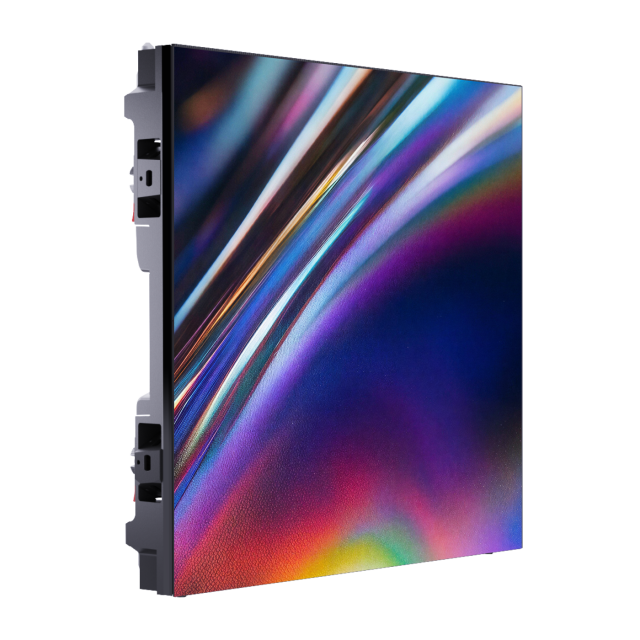
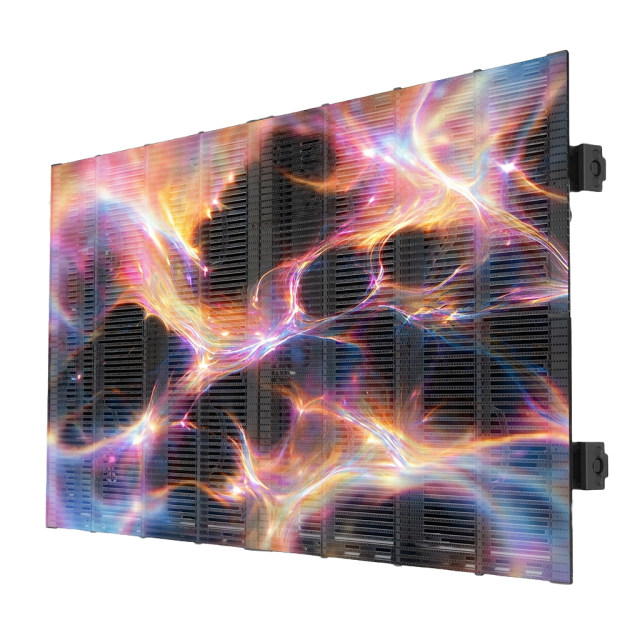
For the European production, the creative team, made up of 59 Studio, Stage Sound Services, TGR Prods, InFocusAV, relied on two INFiLED product families to achieve this mighty vision; the DBmk2 Series and the AR Series (now ARmk2). Together, they helped create a theatrical tour-de-force in which the physical set and digital imagery operated as one, immersing the audience deep in Sting’s childhood community and that ever-present shadow of the shipyard.
Partnership
A musical of this magnitude required a formidable team of creative and technical specialists. TGR Prods oversaw production and management of the musical, with Stuart Tucker steering the course as Head of Production. Stuart says, “Sting was very much involved in the concept and creative process throughout.”
INFiLED’s long-term AV partner, Stage Sound Services, supplied the LED screens, while InFocusAV delivered specialist video engineering guided by Steven Jackson at the helm. Visual design came from award-winning 59 Studio, (the team behind the Video & Visual Effects Design for Stranger Things: The First Shadow, a production that also features INFiLED LED walls) ) whose role across both set and video design was especially important in shaping a show where scenic structure and moving image needed to feel inseparable.
Challenges
As with any production of this scope, the first challenge is always balancing a highly complex creative vision with technical realities.
“59 Studio had clear requirements for the production, including LED pitch expectations that could not be compromised. Finding a system that met those standards, while also fitting the realities of supplier stock and budget, was not easy given the scale of LED required,” Stuart says.
The show also placed heavy demands on the video system. While Stuart says, “it was key that the audience felt the scale of the ship and its overarching presence,” the production also relied on fast moment-to-moment scenic transitions and close integration with theatrical lighting. The LED system needed to support responsive content switching, consistent brightness, accurate colour reproduction and a seamless image across the large wall.
“With such a large amount of panels, it was important that we could retain colour matching across the surface,” Steven Jackson notes.
Touring globally added another layer of complexity. Reliability, speed of installation and ease of maintenance mattered just as much as image quality. The chosen system needed to stand up to repeated installs while being easy for technicians to maintain on the road.