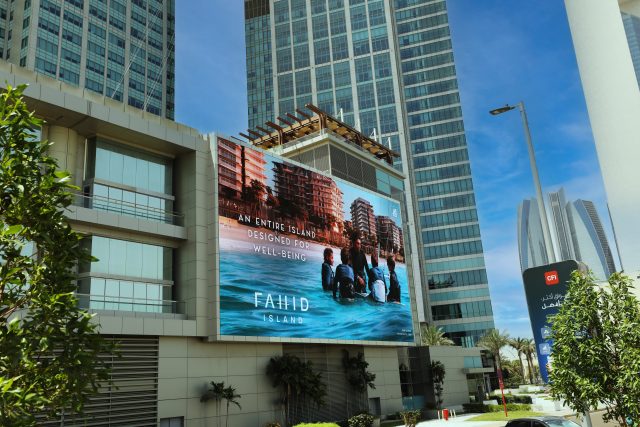
Architectural LED facades can transform a building into a communication surface, but they also add a new system to the envelope that has to survive weather, wind, heat, cleaning cycles, and long operating hours. The most common oversimplification is treating the facade like a “big outdoor screen” and selecting it based on pixel pitch and peak nits.
In real projects, failures are usually structural, environmental, or operational: poor drainage, inaccessible service paths, cable routing that cannot be inspected, glare to neighbors, or brightness profiles that cause premature aging. This guide is written for teams that need predictable performance and manageable risk.