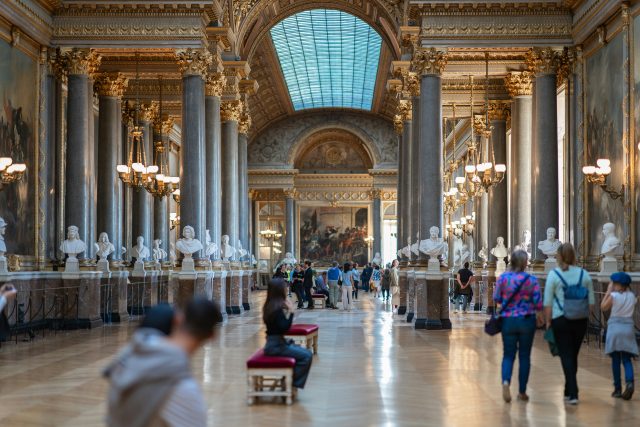
France’s museum sector is one of the most demanding in the world for LED display technology, and one of the most varied. The Louvre, Musée d’Orsay and Centre Pompidou operate in a context where LED display must coexist with physical artworks whose own colours and lighting conditions set the standard, where conservation requirements impose strict limits on UV and heat exposure from any display technology nearby, and where the visitor experience depends on whether a digital display element enhances or undermines the encounter with the physical collection.
At the other end of the spectrum, immersive venues like the Atelier des Lumières, which attracts millions of visitors to its projection-based experiences in Paris, and a growing number of regional immersive museums are specifying LED for environments where the display is the entire experience rather than a contextual supplement. These two contexts have almost nothing in common in terms of what the right LED specification looks like, and treating them as the same market is a common mistake.