Confirm

Magnesium vs Aluminium LED Cabinets: Does the Material Matter for Rental?

09.09.2026

Ask a rental buyer what separates one 500×500 cabinet from another and the answer is usually pixel pitch, brightness or price. Cabinet material rarely makes the shortlist, yet it is the part of the panel that crews lift, trucks carry and rigs hold up on every single job.

The common oversimplification runs in two directions. Some sales material treats magnesium as automatically better because it is lighter. Some buyers dismiss it as a gimmick because aluminium has always worked. Neither view survives contact with a real load-in schedule.

This article looks at magnesium vs aluminium (spelled aluminum in North American searches) as an engineering trade-off rather than a slogan. You will see what the material properties actually say, what a lighter cabinet changes on site, and where aluminium is still the smarter purchase.
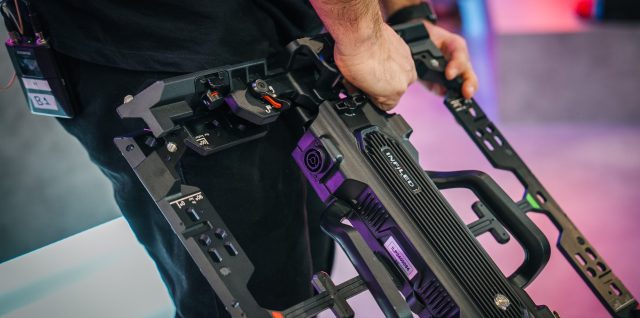
A technician carrying an INFiLED rental LED cabinet with one hand.

Magnesium vs Aluminium: What the Two Materials Actually Are

LED cabinets are usually made from die-cast aluminium alloy, die-cast magnesium alloy, or fabricated sheet metal. The frame is only part of the panel, since modules, power supplies, receiving cards and connectors add weight that the housing material cannot remove. Material choice changes the frame, not the electronics inside it.

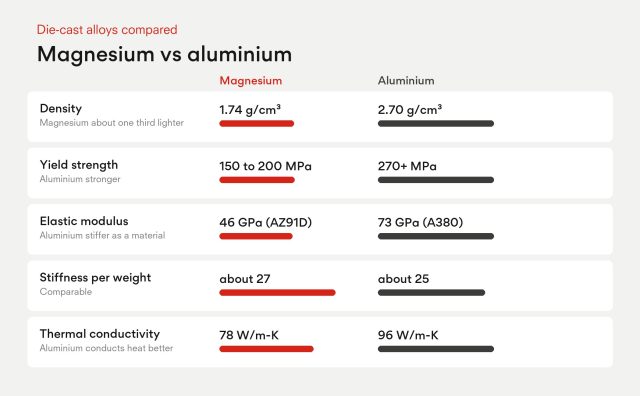
The headline numbers are well established. According to a SAMaterials structural comparison, magnesium has a density of about 1.74 g/cm³ against roughly 2.70 g/cm³ for aluminium, which makes magnesium about one third lighter for the same volume. Aluminium has higher yield strength, quoted at upward of 270 MPa versus 150 to 200 MPa for magnesium, and it forms a natural oxide layer that protects it from corrosion. Magnesium is more reactive and usually needs protective coatings, and it is typically the more expensive material because of its processing requirements.

Those two sets of facts explain the whole magnesium vs aluminium debate. Magnesium wins on weight. Aluminium wins on absolute strength, corrosion behaviour and raw cost. Which one matters more depends on the job the cabinet is built for.

Magnesium vs aluminium die-cast alloys: density 1.74 vs 2.70 g/cm3, yield strength 150 to 200 vs 270+ MPa, elastic modulus 46 vs 73 GPa, stiffness per weight about 27 vs 25, thermal conductivity 78 vs 96 W/m-K.

How the Properties Play Out in a Real Cabinet

Magnesium vs aluminium spec comparisons flatten several details that matter once the metal becomes a 500×500 frame.

Rigidity

Aluminium die castings are stiffer as a material. Typical die-cast alloys, compared on a MakeItFrom material data sheet, show an elastic modulus of about 73 GPa for A380 aluminium and 46 GPa for AZ91D magnesium. Divide each by its density, though, and the gap nearly closes: roughly 25 for the aluminium alloy and 27 for the magnesium alloy. Per unit of weight, the two are comparable. A well-ribbed magnesium cabinet can therefore be as rigid as an aluminium one at a lower weight, but that outcome comes from the design, not from the material alone.

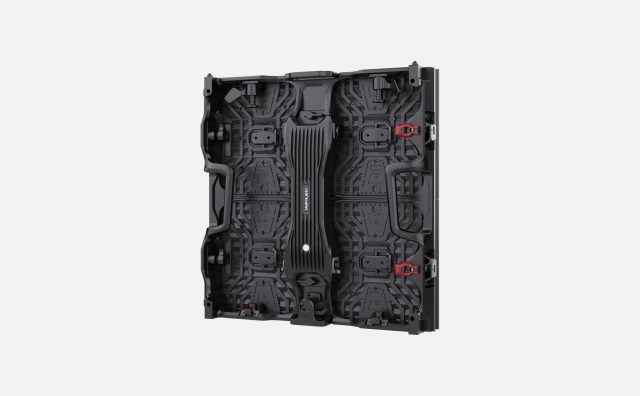
INFiLED EZmk2 Series magnesium LED cabinet, rear view

EZmk2 Series magnesium cabinet.

Heat dissipation

On the same data sheet, thermal conductivity is about 96 W/m-K for A380 aluminium and 78 W/m-K for AZ91D magnesium. Aluminium is the better conductor, but in most indoor rental panels the cabinet is not the main heat path. Heat is managed through the module design, driver efficiency and airflow, and brightness matters more than housing material. For a panel running at 1,000 to 1,500 nits indoors, the difference is rarely the deciding factor. For a high-brightness outdoor panel running all day in direct sun, it deserves a closer look.

Durability and corrosion

Aluminium tolerates rain, salt air and rough handling with less protection. Magnesium depends on the quality of its surface treatment, and scratches through a coating matter more. Impact behaviour depends on the alloy and the design, but corner and edge protection deserves attention on any lightweight frame that will be dropped, stacked and loaded into cases hundreds of times.

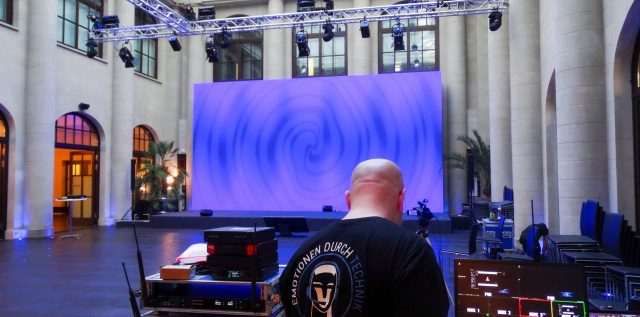
Technician setting up an INFiLED EZ Series LED wall at Humboldt Carrer in Berlin

Photo: KUCHEM.

What a Lighter Cabinet Changes on Site

The benefit of magnesium is not a number on a spec sheet. It shows up in labour, freight and rigging.

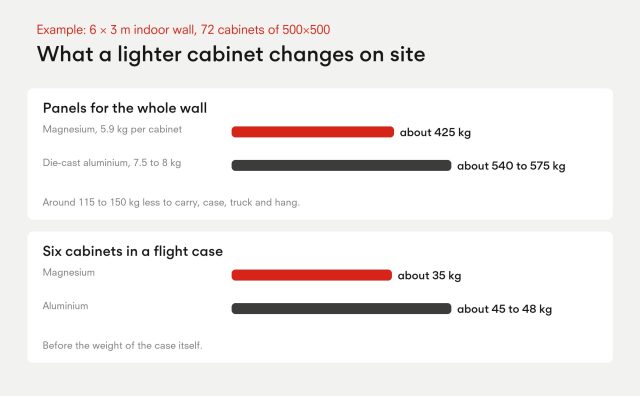
Take a typical 6 × 3 m indoor wall, which is 72 cabinets of 500×500. At 5.9 kg per cabinet, the panels weigh about 425 kg. A comparable die-cast aluminium cabinet in the 7.5 to 8 kg range brings the same wall to roughly 540 to 575 kg. That is around 115 to 150 kg less to carry, case, truck and hang, before counting frames, cables and power. Verify the aluminium figure against the actual competing spec sheet, because cabinet weights vary by manufacturer and generation.

Weight of a 6 by 3 m wall of 72 cabinets: about 425 kg in 5.9 kg magnesium cabinets vs about 540 to 575 kg in 7.5 to 8 kg aluminium cabinets; six cabinets in a flight case about 35 kg vs 45 to 48 kg.

The practical effects tend to be these:

  • Crew fatigue and lifting policy. A single technician handles a 5.9 kg panel more comfortably across a full shift, which matters on multi-day builds and overnight strikes.
  • Flight cases and freight. Six cabinets weigh about 35 kg in magnesium against about 45 to 48 kg in aluminium, before the case itself. When air freight is priced by chargeable weight, that spread compounds across a fleet.
  • Rigging load. Lower weight per square metre reduces the load on trusses, hoists and ceiling points, which helps in venues with tight structural limits.
  • Faster installation. Lighter panels are easier to align and lock, particularly when the design includes quick-locks and positioning pins.

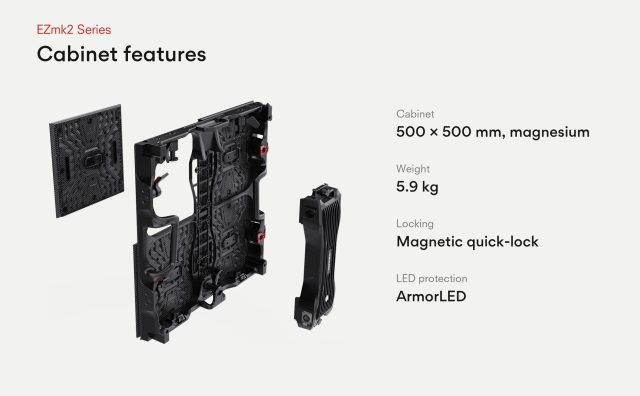
INFiLED applies this logic in the EZmk2 series, where a 5.9 kg magnesium 500×500 cabinet is paired with a magnetic quick-lock system and ArmorLED reinforcement of the LEDs themselves, aimed at conference and exhibition work. Rental companies exploring lightweight magnesium LED cabinets can see how the weight, locking and protection features work as one system rather than as a single material claim.

When Aluminium Is Still the Better Call

Magnesium is not the answer to every rental fleet, and saying so is part of making a sound decision.

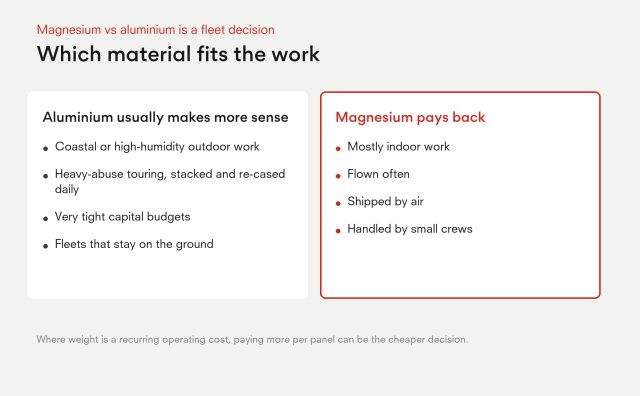
Aluminium usually makes more sense in these situations:

  • Coastal or high-humidity outdoor work, where corrosion resistance and coating durability carry more weight than a few kilograms.
  • Heavy-abuse touring, where cabinets are stacked, dropped and re-cased daily and dent tolerance matters more than weight.
  • Very tight capital budgets, where the lower material cost of aluminium keeps the panel price down and handling savings would take years to recover.
  • Fleets that stay on the ground, where a heavier panel is stacked rather than flown and weight has little effect on the rig.

The reverse is also true, and it is why magnesium vs aluminium is a fleet decision rather than a material one. If your fleet is mostly indoor, flown often, shipped by air or handled by small crews, weight becomes a recurring operating cost, and paying more per panel can be the cheaper decision over the life of the fleet.

A Simple Way to Decide

Instead of asking which material is better, ask which constraint hurts most on your jobs.

  1. Where is the fleet used? Indoor and controlled conditions favour magnesium. Salt air, rain and heavy abuse favour aluminium.
  2. How is it moved? Air freight, small crews and frequent flown builds favour the lighter frame.
  3. What are the rigging limits? Venues with strict load ratings reward every kilogram saved per square metre.
  4. How is the surface protected? Ask about coating specification, edge protection and repair procedures, not just the alloy name.
  5. What does the full cost look like? Compare purchase price against labour, freight and replacement over the expected service life, not the panel price alone.

The Material Is a Means, Not the Goal

Cabinet material matters most when it changes something the crew or the budget can feel: fewer lifts, lighter cases, lower rigging load and faster builds. When those benefits are real, magnesium earns its premium. When the work is harsh, coastal or budget-driven, aluminium remains a sound and often better choice.

INFiLED’s engineering approach treats the cabinet as part of a complete system of locking, alignment, LED protection and serviceability, so the material is chosen for the job rather than for the brochure. The best question for any rental buyer is not whether the frame is magnesium or aluminium, but whether the whole panel makes each show easier to build and cheaper to run.

User registration
Join us to download our content. It only takes a moment!

    I have read and accept the privacy policy

    This site is protected by reCAPTCHA and Google.

    It looks like you are visiting the website from
    Select your region: