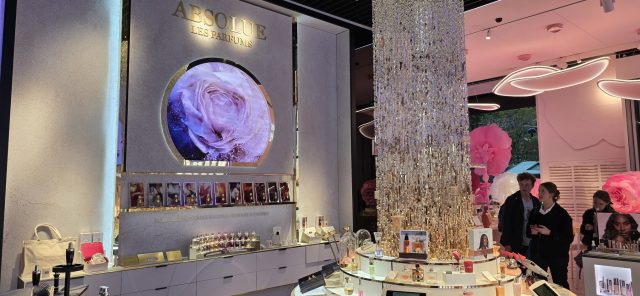
Retail LED displays are often purchased like “visual upgrades,” then deployed like digital wallpaper. The result is predictable: beautiful motion content that shoppers ignore, screens placed where no buying decision happens, and a store team that cannot keep content current. The core misunderstanding is thinking the display itself drives sales. In reality, retail LED displays only perform when they support a specific shopper behavior: stopping, orienting, comparing, trusting, and deciding.
That means design is not primarily about pixel pitch or nits. It is about where the screen sits in the journey, what it communicates in two seconds, and how it connects to products and staff workflows.