Overview
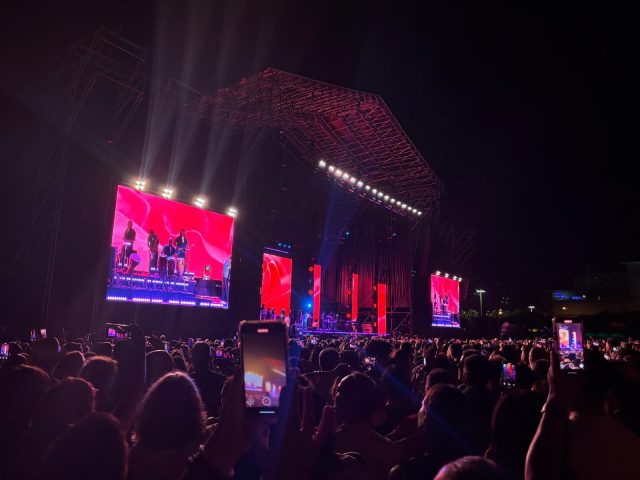
In late July 2025, Latin music icon Juan Luis Guerra drew a sold-out crowd of about 28,000 fans to an open-air concert at the Anexo, next to the Estadio de Gran Canaria in Las Palmas.
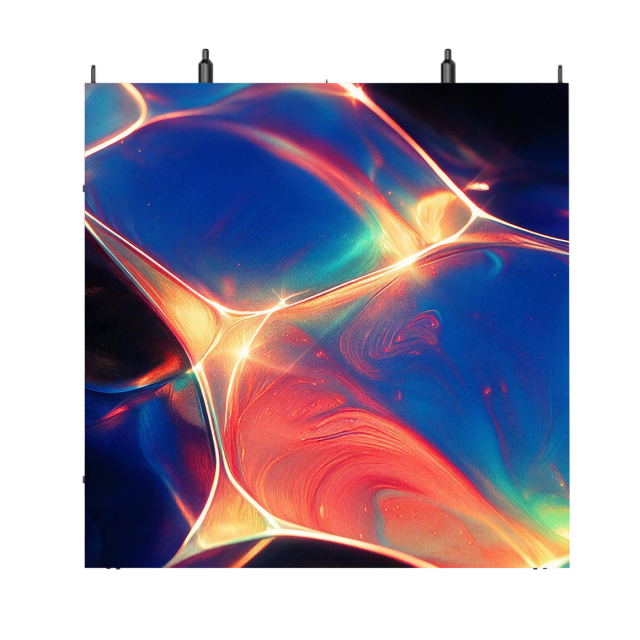
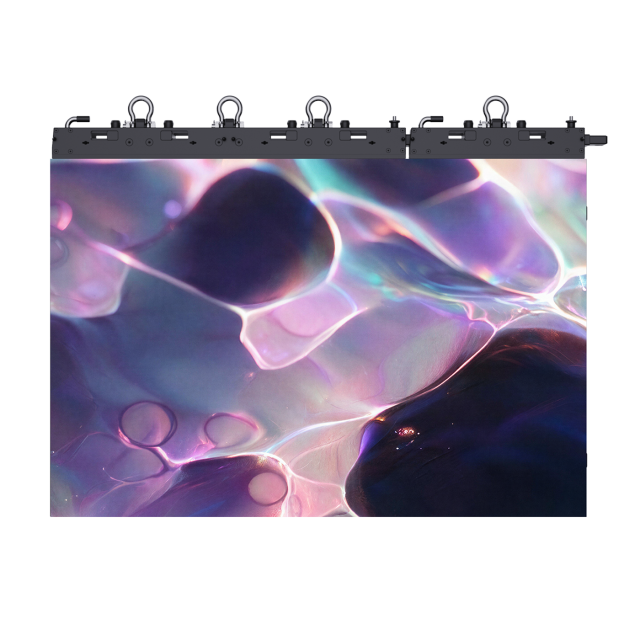
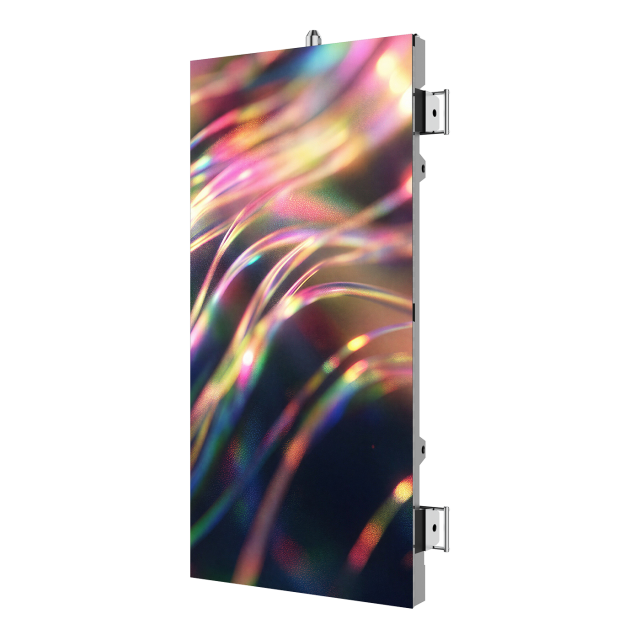
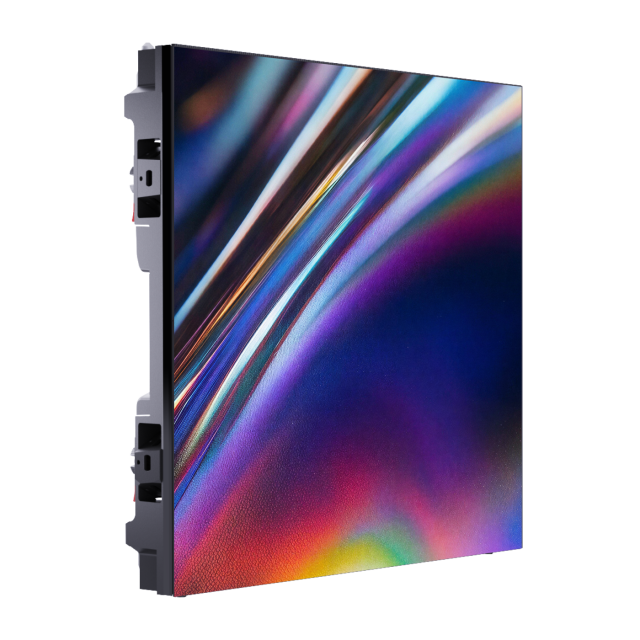
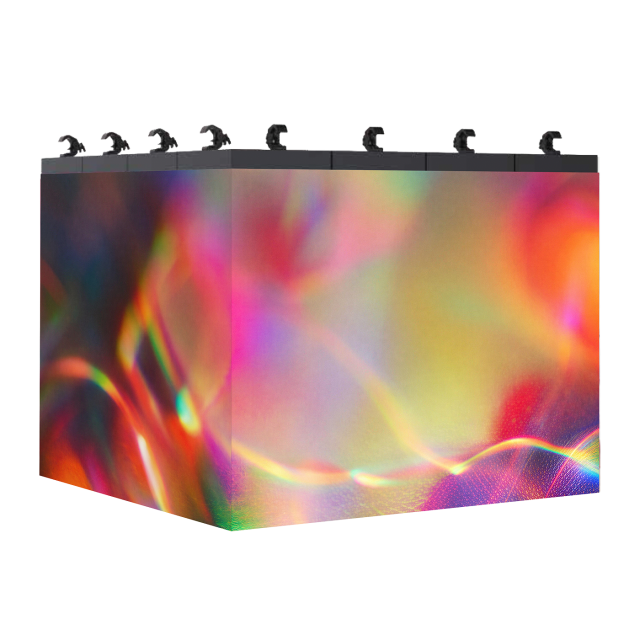
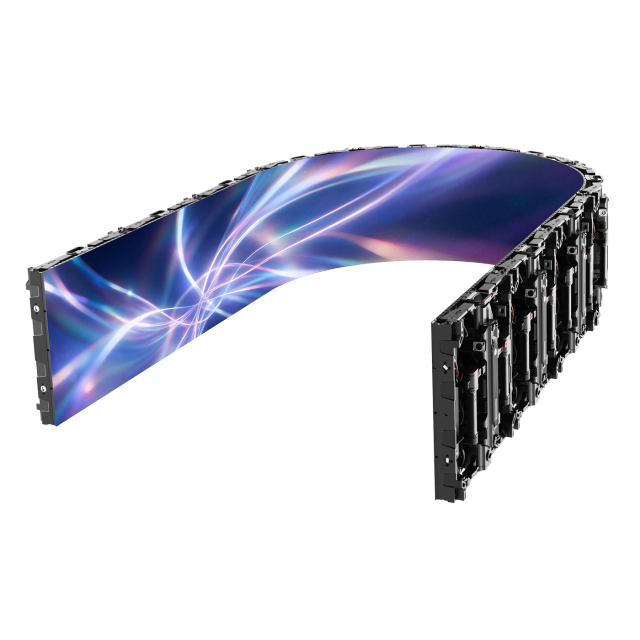
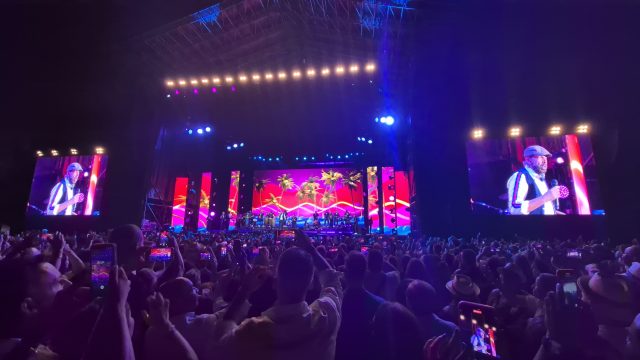
Audiovisuales Canarias served as the event’s AV partner, deploying a large-format LED video solution built around 200 m² of INFiLED ARmk2 LED panels. The goal was clear: make the show look great from every part of the wide venue, keep image quality steady as dusk turned to night, and let the visuals enhance rather than overpower the performance.
Achieving this in a coastal outdoor setting required careful planning, a sightline-first screen layout, and reliable hardware that could be assembled and taken down quickly despite island logistics.
Venue and Challenges
The Anexo is wide and fully open to the elements, which concentrated three practical constraints:
- Distance: Faces, instruments, and choreography needed to remain legible even for spectators far from center stage.
- Light & Weather: Bright daylight would transition to night during the show, and coastal breezes demanded confidence in the screen structures.
- Logistics: All transport, alignment, and calibration had to be executed on a tight schedule before doors opened, with a fast tear-down after the show.
These conditions shaped both the stage design and the choice of equipment, using audience experience as the measure of success.
Visual Design and Layout
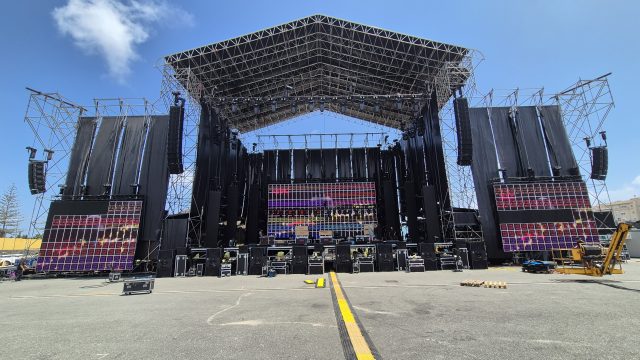
Instead of one giant screen, Audiovisuales Canarias designed a layered LED layout to cover the wide field without overwhelming the performers.
A large center screen acted as the visual engine, carrying live camera, graphics, and song-driven content that matched each segment while keeping focus on the stage.
Two tall side screens extended live close-ups to the outer edges so detail stayed readable off-axis. To frame the performance space without clutter, six vertical LED strips – three per side – were integrated into the design. These slender columns synced with the main content to extend color and motion beyond the center surface.
The result was a panoramic yet balanced canvas that read cleanly across the field. The center anchored attention and carried show content; the side screens preserved expressions and instrumental detail at distance; and the vertical strips tied the look together by echoing color and rhythm at the edges. With consistent brightness and color across the LED walls, the audience perceived a coherent image as daylight faded and concert lighting intensified.