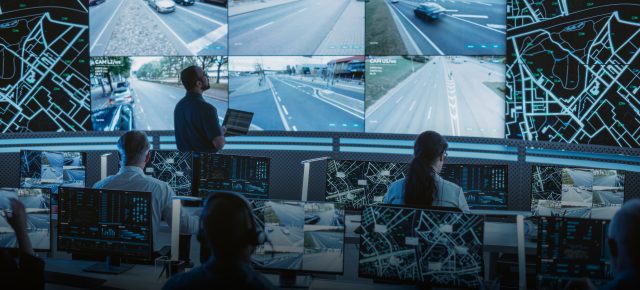
It is the middle of a night shift and a module on the main video wall goes dark. Not the whole wall, just one panel, but it happens to sit where a shift supervisor was tracking a live feed.
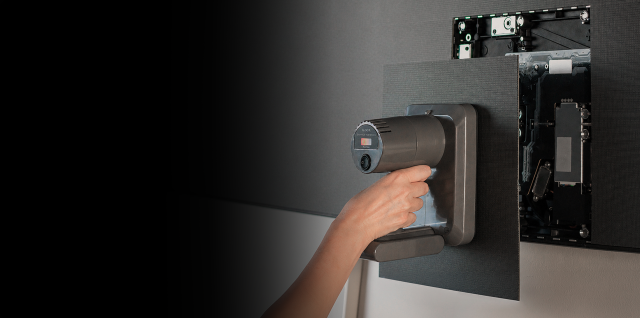
There is one technician on site, no daytime facilities team to call, and whatever happens next depends entirely on decisions that were made months earlier when the display was specified, not on anything anyone can do in the next ten minutes.
That scenario is the honest test of a control room display, and it rarely gets discussed during procurement.
Buyers evaluate control room walls on contrast ratio, pixel pitch, and brightness, all of which matter for daytime readability, but almost none of which matter at 3 AM when the actual question is how fast a single technician can restore the wall without taking the rest of it offline.
This piece looks at what separates a control room display that survives that moment from one that turns it into an incident report.