Overview
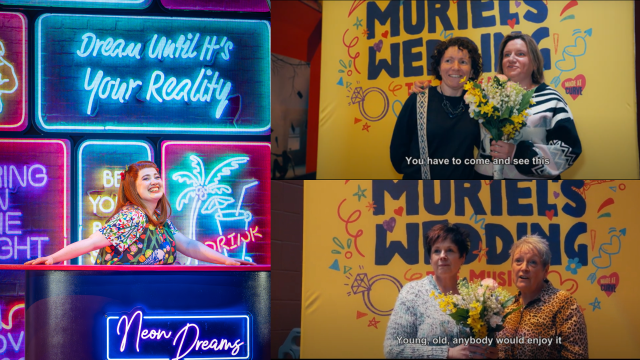
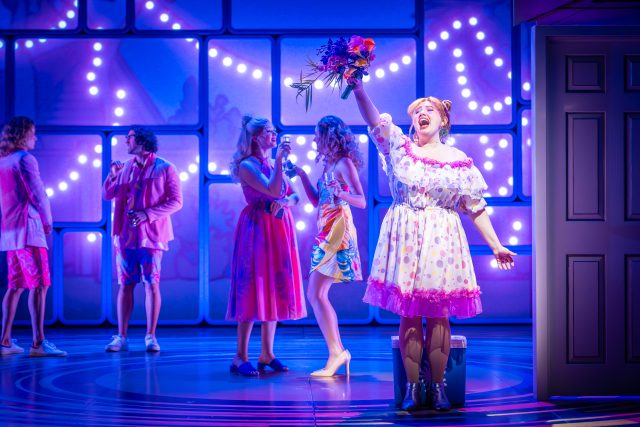
What does the perfect wedding look like? For Muriel, a young woman stuck in the dull suburb of Porpoise Spit, it’s all about the white dress, the church, and the spotlight. This quirky dream unfolds on stage in Muriel’s Wedding The Musical, the stage adaptation of the beloved 1994 Australian film by P.J. Hogan, produced by Global Creatures and Leicester Curve.
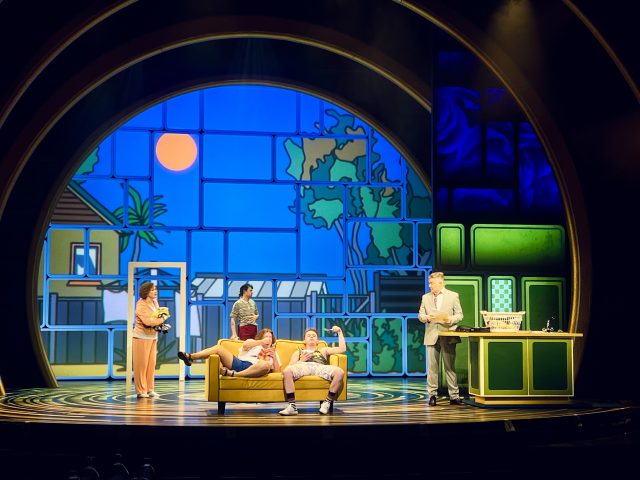
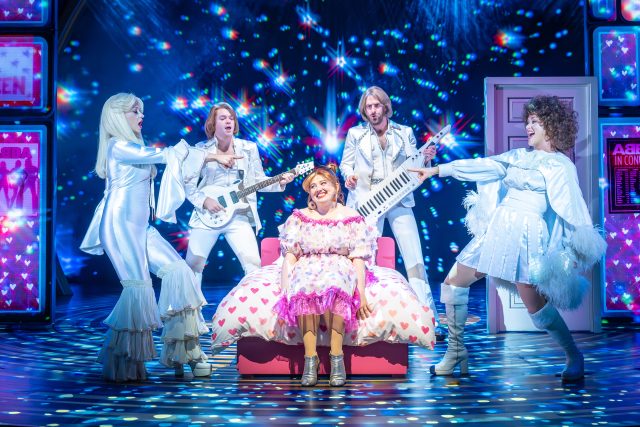
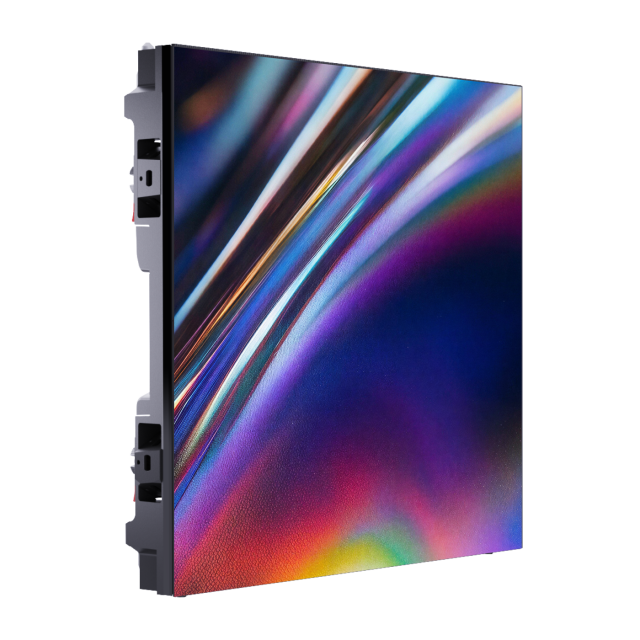
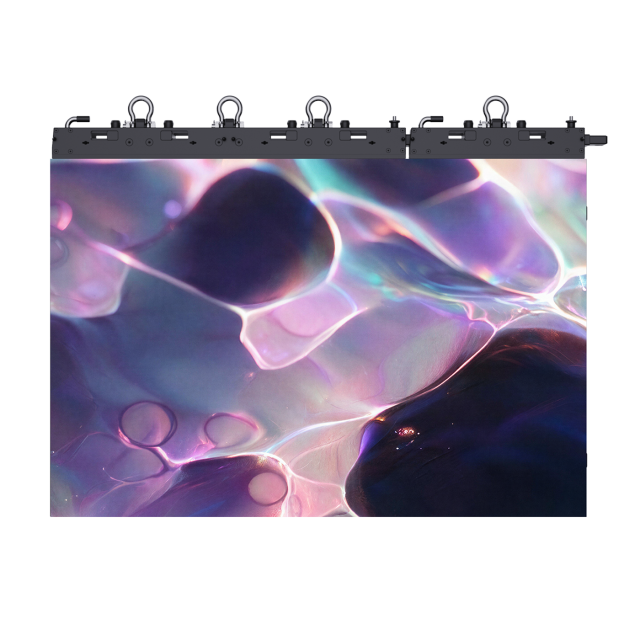
Played from 10 April 2025 to 10 May at the Curve Theatre in Leicester, England, the show brings bold visuals, humor, and heart to life, backed by a vibrant and dynamic setup powered by 412 LED panels from INFiLED’s DBmk2 Series.
We spoke with video engineer Dan Trenchard to learn how the tech behind the scenes plays a starring role.
Bringing Muriel’s World to the Stage
Based on Hogan’s original screenplay, Muriel’s Wedding The Musical builds on the film’s legacy with a dazzling, immersive experience. Audiences don’t just watch the story unfold, they can also have the opportunity to take the seat of the wedding and play a part of the musical.
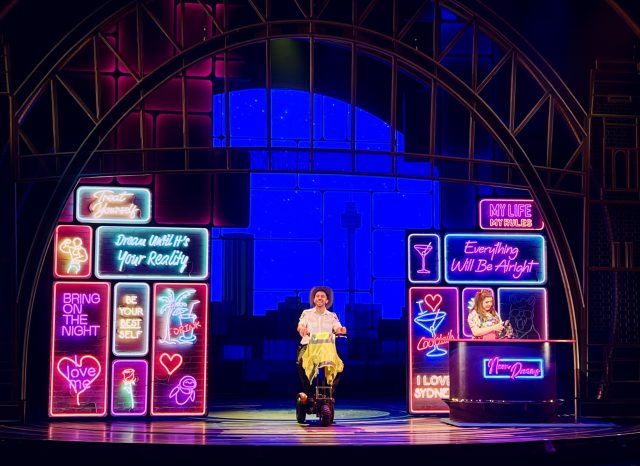
And to help deliver that immersive quality, video designer Andrzej Goulding crafted a bold visual concept: influenced by Australian artists and aesthetics resulting in vibrant colours and strong graphic framing.
Mobile phone frames are used as set pieces, covering two LED sliders that move across the stage, injecting energy and movement into the visual narrative.
The visual content is creative and bold, and the challenge for the LED screen is big also.
The Visual Demands: Striking Color, Seamless Black
Dan shared some of the unique visual demands that made this show especially challenging:
“The content around the frame needs to fade to black, with the frame itself creating shadows, so that dark matte black effect is really important.”
Color accuracy at low brightness levels was essential, particularly where screen content blended into physical set pieces. The LED wall had to deliver deep blacks without compromising color fidelity—something that can be difficult to achieve.
Beyond visual performance, the panels also had to be lightweight, easy to move, and quick to set up—since the LED elements needed to glide across the stage in sync with the story.