Confirm

The Rental Spec Nobody Puts on the Spec Sheet: How Fast Can Your Crew Load In?

13.08.2026

Every rental LED spec sheet leads with pixel pitch, brightness and refresh rate. None of them list how long it takes six people to build a six by four meter wall before doors open. That gap matters more than most buyers realize, because load-in speed is where touring budgets actually get made or lost. A cabinet that saves two minutes at every connection on a two hundred cabinet tour is not a convenience, it is a full day of labor recovered across a season.

Production companies keep discovering this the hard way, mid tour, when a “lighter” system turns out to be lighter on paper but slower to rig because of how the cabinets actually lock together. This article looks at why cabinet weight and connection mechanism deserve the same scrutiny as pixel pitch, and what that means for crews building walls against a fixed clock.
Infiled

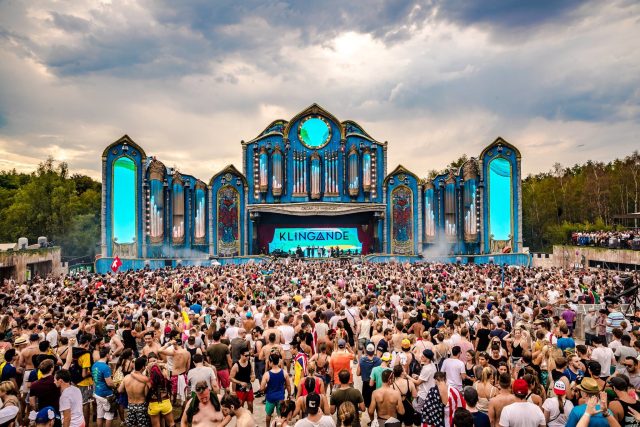
Tomorrowland

Fundamentals: What Load-In Speed Actually Depends On

Load-in speed is a function of three things: how much each cabinet weighs, how cabinets attach to each other, and how the finished array attaches to truss or a ground-stack base.

Pixel pitch and brightness affect image quality, not build time, and treating them as a proxy for how fast a wall goes up is where a lot of touring RFPs go wrong. Weight determines how many people are needed to lift and hold a cabinet steady, and how much crew fatigue accumulates over a twelve hour build.

The connection mechanism determines how long each join takes and how much room there is for rigging error under time pressure. Traditional LED cabinets rely on bolted or pinned connections that require a technician to align columns by hand, tighten hardware, and check alignment visually before moving to the next panel.

A quick-lock system replaces that sequence with a mechanical latch that self-aligns and seats in one motion. For a crew working against a fixed door time, the difference between a bolted connection and a quick-lock connection is measured in minutes per cabinet, and minutes per cabinet compound fast across a full build.


Infiled

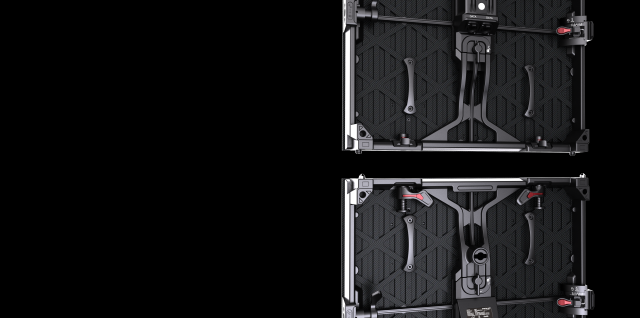
Rental LED display RS Series’s patented quick-lock system.

How It Actually Works in Real Deployments

On a touring stage, a cabinet weighing 8.7 kg needs two hands and real care to hang safely at height. Cut that weight by 25 to 35 percent and the same cabinet becomes a one-person lift for ground-stack work, which changes how a crew chief schedules the entire build.

INFiLED’s RS Series was engineered around that exact constraint, using a patented quick-lock system built on precision alignment columns and arc locks that seat and secure a connection without tools. The mechanism does two things at once: it removes the alignment guesswork that slows down bolted systems, and it gives the array the structural integrity to stack or fly up to 15 meters, engineered to a 10x safety factor.

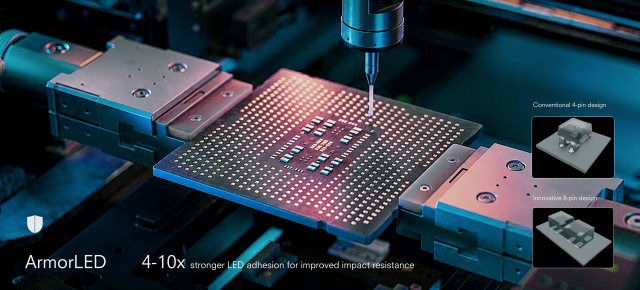
That margin matters because touring rigging carries dynamic loads, not just static weight, as motors start and stop and equipment absorbs vibration over thousands of road miles between dates. ArmorLED impact protection is built into the same cabinets, which matters less at load-in itself and more across the load-out, transport and re-rig cycle that defines a tour’s real wear pattern over a season.


Infiled

INFiLED’s proprietary technology-ArmoreLED

Practical Implications for Buyers and Projects

For touring production companies, the math is straightforward once someone runs it.

A typical arena wall might use 150 to 250 cabinets. If a lighter, quick-lock cabinet cuts average connection time by even 90 seconds compared to a bolted system, that is roughly four to six hours of crew time recovered per build, multiplied by however many dates are on the calendar. Multiply that by a local labor rate card and overtime, and the time savings show up directly on the settlement sheet, not just in a case study.

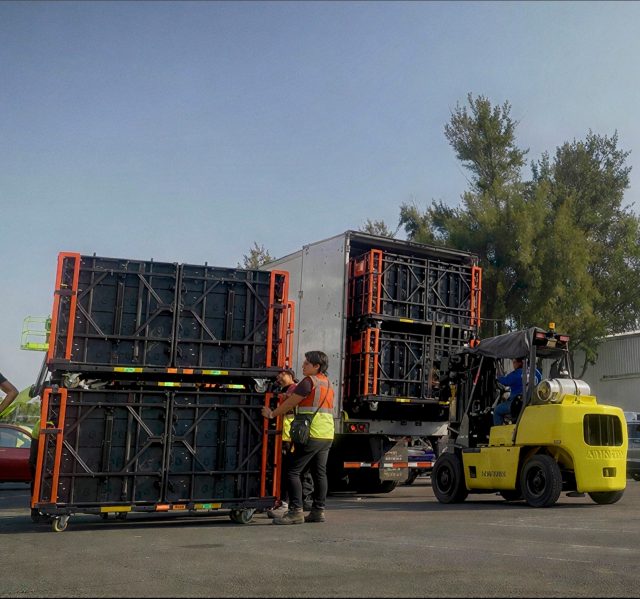
Weight matters just as much for logistics. A 25 to 35 percent reduction in cabinet weight changes truck pack density, reduces the number of forklift moves at a loading dock, and lowers the physical toll on a crew running back to back builds across a run of dates.

Festival and rental house buyers evaluating inventory should treat load-in speed as a line item with the same seriousness as resolution or brightness, because it is the variable that decides whether a system can hit a tight get-in-to-doors window without adding labor. Rental LED buyers who look past price tend to find that build speed and serviceability, not the spec sheet, are what earn a system repeat bookings.


Infiled

What Slows Crews Down Beyond the Cabinet

Cabinet connection is not the only variable, but it is usually the one buyers underweight when they evaluate how fast a wall actually goes up. Cable management at each join, connector wear after repeated cycles, and how well an array holds calibration after being struck and rebuilt dozens of times all affect real build time, even when the headline weight and lock system look identical on a spec sheet.

A well-engineered rental cabinet treats these as one system rather than separate specs, pairing the quick-lock mechanism with connectors rated for repeated field cycling and a chassis designed to hold alignment across builds, so a crew is not re-calibrating color or closing gaps every time the wall goes back up.

Touring buyers evaluating LED walls should ask vendors specifically how many rig and de-rig cycles a cabinet is rated for, not just how much it weighs on day one. Rigging safety margins deserve the same scrutiny, since the entertainment industry standard requires a 10:1 safety factor for suspended loads under EU rules, which is exactly what a 15 meter flown array needs to meet.


Infiled

The Real Cost of a Slow Build

Load-in speed is not a marketing footnote. It is a direct measure of how well a display system was engineered for the realities of touring rather than for a spec sheet comparison.

Crews live with the consequences of that decision every night of a run, in labor hours, schedule risk, and how sore an experienced rigger is by week three. Buyers evaluating rental LED inventory should ask to see a timed build, not just a data sheet, and weigh cabinet weight and connection mechanism as seriously as pixel pitch. INFiLED designed the RS Series around exactly this kind of feedback from touring crews, treating build speed as a performance spec rather than an afterthought.

Infiled

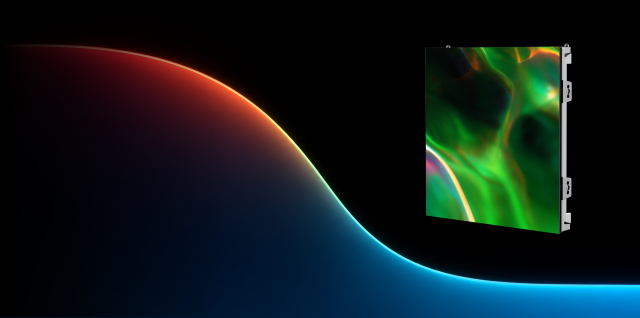
Lightweight rental LED display, RS Series

User registration
Join us to download our content. It only takes a moment!

    I have read and accept the privacy policy

    This site is protected by reCAPTCHA and Google.

    It looks like you are visiting the website from
    Select your region: