Overview
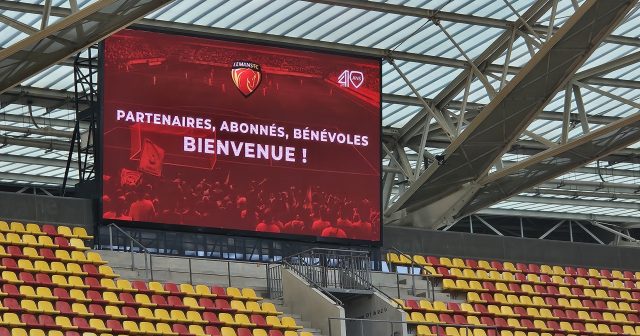
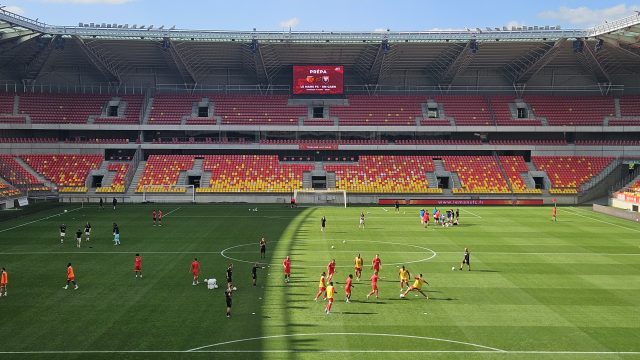
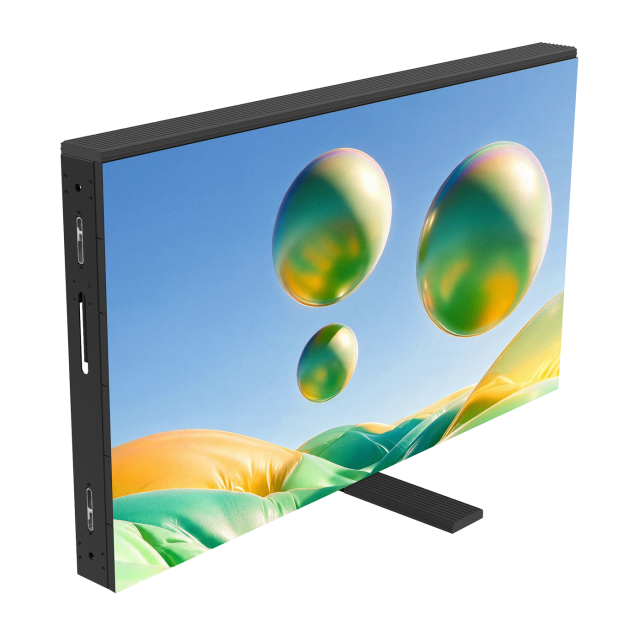
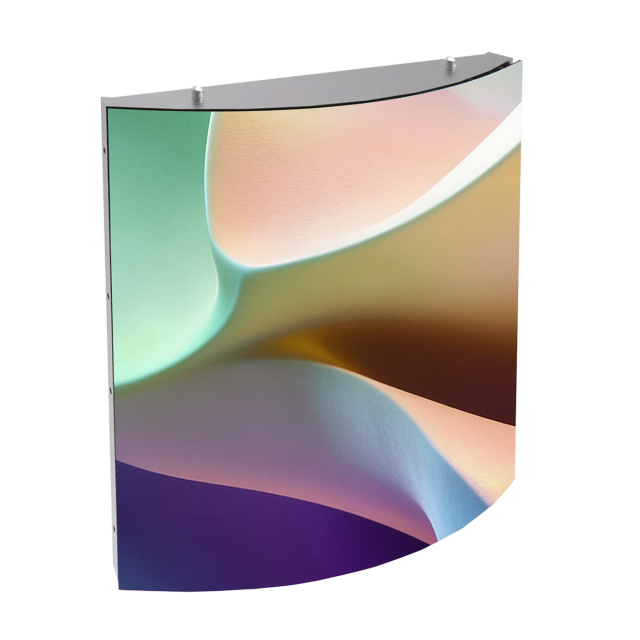
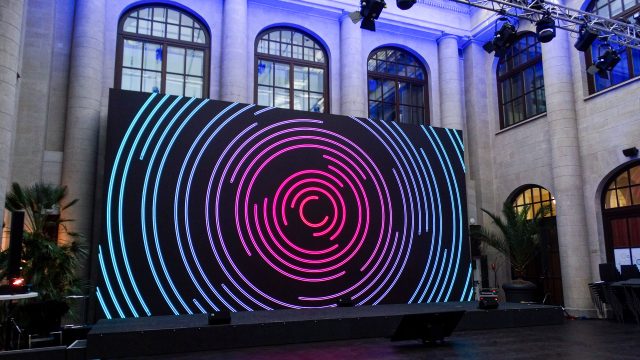
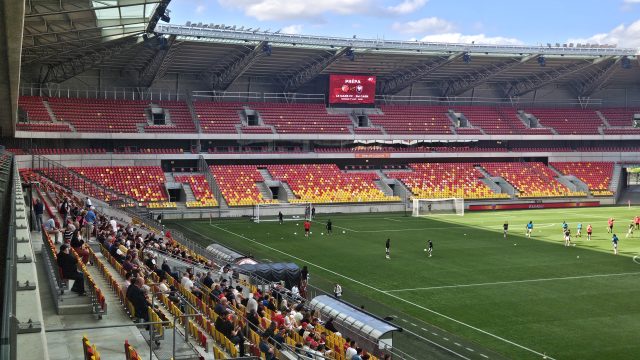
The Marie-Marvingt Stadium at Le Mans is celebrated in France for putting on some of the most exciting sporting events and concerts. It made the strategic decision to upgrade its aging screens, and commissioned our friends, AV experts Auvisys, to make the magic happen. Auvisys built and installed two 9m by 5m LED screens, using panels from our premium MV Series, with 8000 nits of brightness maxing up the experience for every visitor.
About Auvisys
Our AV integration partner Auvisys has an awesome reputation for its full-service approach, from conception to installation and post-installation, across a brain-boggling range of venues and sectors. We were delighted to work with the Auvisys team on their impressive installation of our MV Series for Caen’s Michel d’Omano Stadium
The Vision: A Front-Row Experience for Everyone
The City of Le Mans can rightly be proud of its sporting pedigree, and we’re not just talking about the world famous 24-hour racing circuit. Nestled by the circuit’s Mulsanne Straight is the 24,000 capacity Marie-Marvingt Stadium, opened back in 2011 to bring vivid experiences to all kinds of fans, not just those of its home football team, Le Mans FC. Designed to host spectacular concerts, shows, and even 24-hour blood drives, the Stadium is a major cultural and community asset to the City of Le Mans.
Many things improve with age, but a stadium screen isn’t one of them. The 15-year old screens were a little on the senior side, so the Stadium wanted to replace them with something brighter, more dynamic and with better image quality. Something to give extra oomph to crowd engagement, ensuring that every fan, no matter where they sat, would enjoy an unparalleled viewing experience.
The Challenge: Tough Conditions for LEDs. Including Rust.
Screen replacement sounds pretty straightforward, but this is real life where very little is straightforward. The project presented chunky technical and build challenges:
● Stadium light conditions: These varied throughout the day and night, with challenges of direct sunlight by day, as well as artificial lighting and/or darkness (or both!) by night. The screens would need to deal with all the photons or none, and everything in between.
● Fragile mounting brackets: The existing heavy-duty mounting brackets used for the old screens were damaged and rusty. Auvisys would have to tackle this before any screen could go near it.
● Image quality: The nature of the entertainment in such a vast arena demanded the highest image quality. Match footage, replays, concert action need to be pin-sharp.
● Ease of maintenance: The Stadium wanted big screens, but without the big maintenance time and service costs.